 EN
EN Dropshipping vs Print on Demand: A Side-by-Side Comparison
Dropshipping vs print on demand is a common comparison for new entrepreneurs looking to start an online business with little upfront investment. Both models are beginner-friendly and allow you to sell products without holding inventory, making them attractive options for sellers on platforms like Etsy and Shopify.
However, there are important differences between the two when it comes to product customization, fulfillment, profit margins, and more. In this guide, we'll break down the key differences between dropshipping and print on demand to help you determine which model best fits your goals and budget.
Table of Contents
What is Dropshipping?
Dropshipping is an ecommerce business model that allows sellers to sell products without keeping inventory. Instead of purchasing and storing products in advance, you only buy an item from a supplier after a customer places an order.
Here's how the process works:
- You list products in your online store or marketplace.
- A customer places an order and pays you.
- You forward the order details to your supplier.
- The supplier prepares and ships the product directly to the customer.
- You keep the difference between the retail price and the supplier's cost as profit.
Because you don't need to invest in inventory upfront, dropshipping is a low-risk and low-cost way to start an online business. Sellers can choose from a wide variety of products and quickly test different niches without worrying about manufacturing or warehousing.
What is Print on Demand?
Print on demand (POD) is a business model that allows sellers to create and sell customized products without holding inventory. Products are only printed after a customer places an order, eliminating the need for upfront stock and reducing financial risk.
The POD process typically works as follows:
- Create original designs that will be printed on products.
- Create Mockups and List Products.
- Customer Places an Order.
- The order is automatically forwarded to the POD provider.
- The provider prints your design on a blank product, packages it, and ships it directly to the customer.
- You keep the difference between the retail price and the supplier's cost as profit.
Since products are made only when they are ordered, print on demand requires little upfront investment and eliminates the need for inventory management. It is especially popular among artists, designers, and Etsy sellers who want to sell personalized products.
Quick Comparison: Dropshipping vs Print on Demand
| Metrics | Dropshipping | Print on Demand |
| Startup Difficulty | Easy to start. No design skills required. | Design skills required. |
| Production and Inventory | Products are pre-made and stocked by suppliers. No inventory required. | Products are produced only after an order is placed. No inventory required. |
| Fulfillment & Shipping | Shipping speed depends on suppliers and product location. | Printing, packaging, and shipping are handled automatically by POD providers. |
| Customization and Brand Control | Limited branding and customization options. | High level of customization with unique designs. |
| Product selection and quality | Wide product range, including electronics, beauty products, and home goods. Quality varies by supplier. | Narrower product selection, mainly printable items like T-shirts, mugs, phone cases, and stickers. |
| Profit Margins | Typically around 20% | Usually between 20% and 40% |
| Competition Level | Higher due to many sellers offering the same products | Lower in niche markets due to unique designs |
Differences between Dropshipping and Print on Demand
Although both business models require little upfront investment, there are several important differences between dropshipping and print on demand.
Startup Difficulty
Both models are beginner-friendly, but dropshipping is generally easier to start. You can quickly import existing products from suppliers and begin selling without creating anything yourself.
Print on demand requires more effort because you need to create original designs and attractive mockups. While artistic skills are helpful, many sellers now use AI tools or hire freelancers to create designs.
Production and Inventory Management
Neither model requires you to hold inventory. However, the production process differs significantly.
In dropshipping, suppliers already have finished products in stock and simply ship them when orders are received. In contrast, print-on-demand products are manufactured only after a customer places an order. This made-to-order approach reduces waste and allows for product personalization.
Shipping Time
POD’s made-to-order printing process adds a bit of extra time to fulfillment, since products are only created after a customer makes a purchase. But many POD providers have fulfillment centers in multiple countries, helping reduce delivery times.
Dropshipping products are pre-manufactured and ready to ship, so fulfillment is typically faster than with POD. However, the shipping speed and reliability still largely depend on the supplier. If products are sourced from overseas, delivery times can sometimes take weeks.
Customization and Brand Control
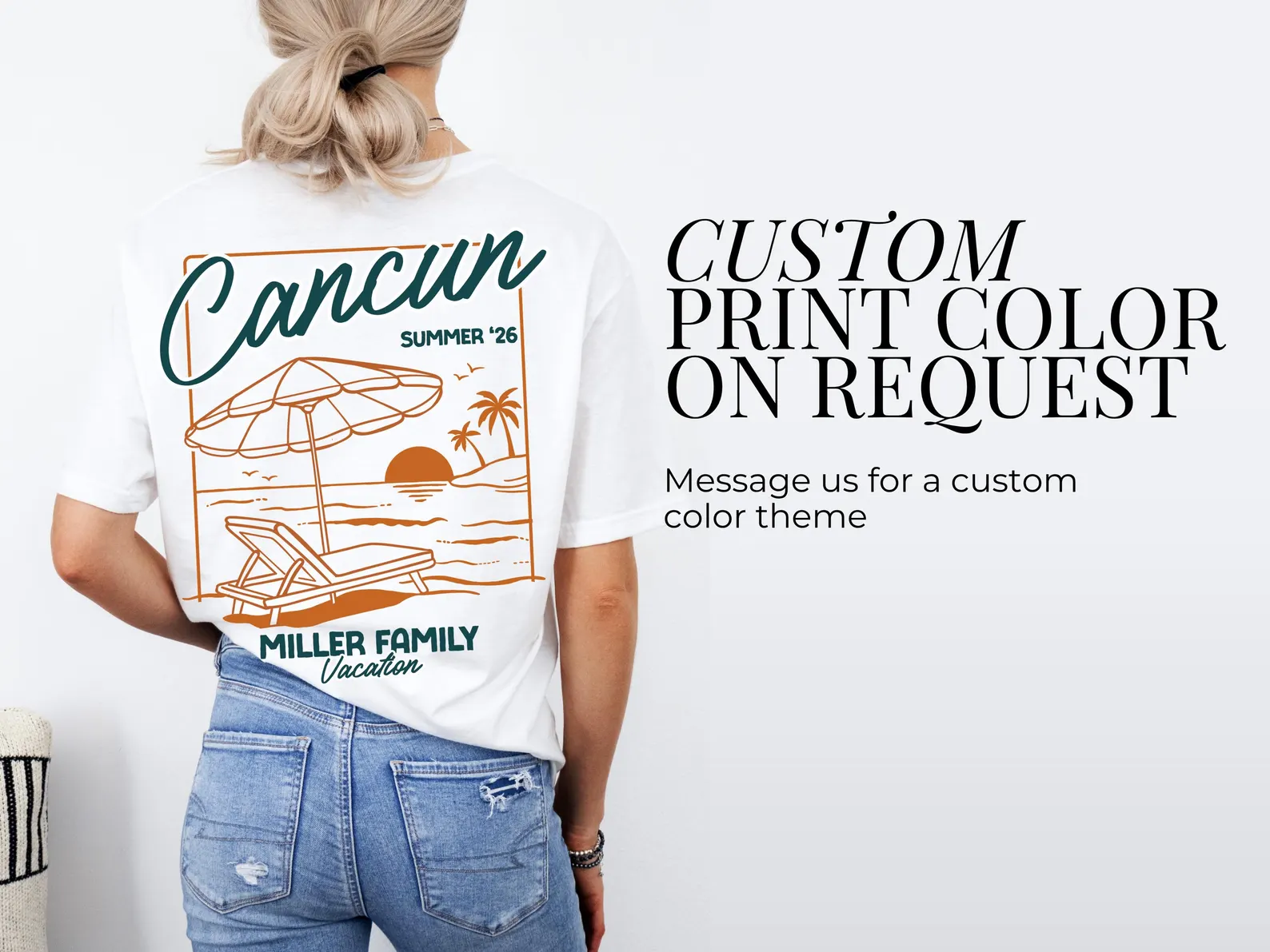
Product customization is the biggest bonus of print-on-demand. It offers much greater flexibility for building a brand. Sellers can create unique designs and, in some cases, customize labels, packaging, and inserts.
Dropshipping products are usually generic and sold by many other stores. Branding options are more limited, making it harder to differentiate your business from competitors.
Product Selection and Quality
Dropshipping offers a much wider range of product categories compared to print on demand. Sellers can choose from electronics, home appliances, beauty products, cosmetics, pet supplies, and many other niches that POD providers typically cannot support. However, product quality can vary significantly depending on the supplier, so it is often recommended to order samples before listing items to ensure quality and avoid customer complaints.
In contrast, POD has a more limited product selection, which depends on the POD provider you work with. Most platforms focus on products that are easy to customize and print on, such as T-shirts, hoodies, mugs, phone cases, stickers, and posters. Product quality depends on the POD provider. Read reviews and order samples before choosing a platform to ensure the quality meets your standards.
Profit Margins
Profit margins vary depending on the niche and pricing strategy. In general, print on demand tends to offer higher margins because customers are willing to paying for unique designs and personalization. Profit margins for print on demand typically range from 20% to 40%.
Dropshipping often faces intense price competition, which can reduce profits. The profit margin for dropshipping is around 20%. In addition, advertising and marketing costs can further eat into profits.
Competition Level
Dropshipping is highly competitive because many sellers have access to the same products and suppliers. As a result, price wars are common, making it difficult to stand out. To achieve attractive profits, dropshippers need strong product research skills and must excel at advertising and marketing.
Print on demand is also competitive, but originality plays a much bigger role. Unique designs and strong branding can help sellers stand out and build long-term customer loyalty. For creative entrepreneurs, POD may offer a stronger competitive advantage than traditional dropshipping.
Which Model Should You Choose? Print on Demand or Dropshipping?
There is no one-size-fits-all answer when it comes to choosing between print on demand and dropshipping. The best option depends on your skills, goals, and the type of business you want to build.
Choose Dropshipping If:
- You prefer selling existing products rather than creating your own designs.
- You want access to a wide variety of product categories, including electronics, beauty products, and home goods.
- You have experience with product research, paid advertising, and digital marketing.
- You are comfortable operating in a highly competitive market.
Dropshipping is ideal for entrepreneurs who enjoy testing products and scaling through marketing. However, success often depends on your ability to find winning products and acquire customers efficiently.
Choose Print on Demand If:
- You’re an artist, graphic designer, humorist, or simply someone with many unique ideas you want to express.
- You are interested in building a unique brand.
- You want to sell personalized products with your own designs.
- You prefer long-term brand building over competing mainly on price.
- You want higher customization and better control over the customer experience.
Print on demand is especially popular among artists, designers, and Etsy sellers because unique products can create stronger customer loyalty and command higher prices.
Can You Combine Both Models?
Absolutely. Many successful ecommerce entrepreneurs use both business models. For example, you might sell customized T-shirts and mugs through print on demand while offering complementary products through dropshipping. This hybrid approach allows you to expand your catalog and diversify your revenue streams.
FAQ
Is print-on-demand more profitable than dropshipping?
It depends. Print on demand often offers higher profit margins, typically ranging from 20% to 40%, because customers are willing to pay more for customized products. In contrast, dropshipping margins are usually around 20% and can be further reduced by advertising and marketing costs. However, profitability ultimately depends on factors such as product selection, pricing, and your marketing strategy.
Is print-on-demand the same as dropshipping?
Dropshipping and Print on Demand are similar order fulfillment methods, but they have some key differences. Print on demand focuses on customized products that are produced after an order is placed, while traditional dropshipping typically involves selling pre-made products sourced from suppliers.
What is the biggest risk in dropshipping?
One of the biggest risks in dropshipping is intense competition. Since many sellers have access to the same products, it can be difficult to stand out and maintain healthy profit margins. Product quality, unreliable suppliers, and rising advertising costs can also affect customer satisfaction and profitability.
What are the disadvantages of print-on-demand?
Some common disadvantages of print on demand include:
- Limited product selection.
- Longer fulfillment times.
- Higher production costs.
- Strong reliance on design quality.
- Quality may vary between providers.
Dropshipping vs POD - Which is Easier for Begin
POD is generally easier for beginners. Even without design skills, you can use licensed designs or hire freelancers to create products quickly.
Dropshipping requires stronger skills in product research, store management, and marketing, which can be more challenging for beginners.
Conclusion
Dropshipping vs print on demand is not about which model is universally better, but which one fits your skills and business goals. Dropshipping offers a wider product range and faster testing opportunities, but it also comes with higher competition and stronger marketing demands. Print on demand focuses more on customization and branding, making it more beginner-friendly and easier to start.
If you are planning to start an Etsy POD business, using data-driven Etsy research tools like EHunt can help you identify winning products, and analyze keywords trends to reduce trial and error and make smarter decisions from the beginning.